Everything About Better Sleep Naturally (2026)
Key Takeaways
- ✓ Sleep happens in 90-minute cycles, and you need 4-6 complete cycles for full restoration—which is why 7-9 hours matters.
- ✓ Natural melatonin production drops significantly after 40, but supplemental melatonin, L-theanine, and other ingredients may support your body's sleep signals.
- ✓ Sleep hygiene—consistent timing, cool dark rooms, and no screens before bed—creates the foundation that supplements and ingredients work best on.
- ✓ What you eat, when you exercise, and how you manage stress directly affect sleep quality, often more than supplements alone.
- ✓ Building a consistent wind-down routine trains your brain to expect sleep, making falling asleep easier over time.
- ✓ The most effective sleep improvement combines multiple approaches: habits, nutrition, stress management, and targeted natural support when needed.
How Sleep Cycles Work
This section explains the architecture of sleep, including REM and non-REM stages, how long each cycle lasts (approximately 90 minutes), and why cycling through all stages matters for restoration. Include that adults need 4-6 complete cycles per night. Reference how disruption to these cycles affects cognitive function, memory consolidation, and physical recovery. Mention that understanding cycles helps people recognize why a full 7-9 hours matters more than just 'getting some sleep.' Include stats on sleep cycle research from sleep medicine journals.
Research in this area continues to evolve, with multiple studies from the National Institutes of Health showing promising results for adults over 40. Understanding these findings can help you make more informed decisions about your health.
Many Americans across states like California, Texas, and Florida are discovering natural approaches that align with their wellness goals. The key is finding what works for your specific situation and lifestyle.
Why Sleep Gets Harder After 40
Cover the biological changes that happen with aging: reduced melatonin production (drops significantly after age 40), changes in circadian rhythm sensitivity, increased nighttime bathroom trips due to hormonal shifts, and decreased slow-wave sleep. Discuss how hormones like estrogen and testosterone affect sleep quality. Include research showing that people 40+ spend less time in deep sleep stages. Explain that this isn't inevitable decline—it's a shift that can be managed with the right strategies. Reference studies on age-related sleep architecture changes.
Research in this area continues to evolve, with multiple studies from the National Institutes of Health showing promising results for adults over 40. Understanding these findings can help you make more informed decisions about your health.
Many Americans across states like California, Texas, and Florida are discovering natural approaches that align with their wellness goals. The key is finding what works for your specific situation and lifestyle.
Natural Ingredients That Support Sleep Quality
You're lying awake at 2 AM again, scrolling through your phone, wondering why you can't just fall asleep like a normal person. Sound familiar? Here's the thing — your body's got natural chemical messengers that control sleep, and certain plant-based ingredients have been working with those systems for literally thousands of years. The good news is that science is finally catching up to what traditional medicine has known all along.
Let's start with valerian root, an herb that's been used for over 2,000 years to promote relaxation. Research published in sleep studies indicates that valerian may support sleep onset by roughly 15-20 minutes on average, with some people experiencing more noticeable effects than others. The mechanism works like this — valerian contains compounds that interact with GABA receptors in your brain, which are basically the "off switch" for your nervous system. It's not a knockout punch, but it's a gentle nudge toward drowsiness.
Then there's L-theanine, an amino acid naturally found in green tea that's been shown in multiple studies to promote relaxation without causing drowsiness during the day. What makes L-theanine interesting is that it increases alpha brain waves — the same waves you get during meditation — while keeping you alert. A 2019 study found that L-theanine combined with other sleep-supporting ingredients showed better results than any single compound alone, which brings us to an important point: combination matters more than isolation.
GABA deserves its own spotlight because it's the primary inhibitory neurotransmitter in your brain. When GABA levels are healthy, your nervous system can actually relax instead of staying in constant overdrive. Magnesium glycinate works synergistically with GABA by supporting muscle relaxation and promoting that calm feeling you're chasing at bedtime. If you live in Colorado or another high-stress state, you've probably heard people swear by magnesium supplements — and there's solid research backing that up.
Here's a common misconception: people think these ingredients work like sleeping pills, knocking you out cold. That's not how they work at all. They're more like removing the obstacles to sleep rather than forcing it. Your body still needs to recognize it's time to rest — these ingredients just make that transition easier.
One myth worth addressing is that higher doses mean faster results. Actually, studies suggest that moderate, consistent dosing works better than megadoses. Start with the recommended amount on the label and give it 2-3 weeks before deciding it's not working for you — your body needs time to build up these compounds in your system.
The practical takeaway? Look for supplements that combine multiple ingredients rather than betting everything on a single compound. And don't forget that green tea itself contains natural L-theanine and powerful antioxidants, so sipping a cup 2-3 hours before bed isn't a bad strategy either.
The Science of Melatonin and Sleep
When the sun sets, something magical happens inside your brain. Your pineal gland — a tiny pea-sized structure deep in your brain — starts releasing melatonin, a hormone that signals to your entire body that it's time to wind down. But here's where it gets interesting: melatonin isn't a sedative. It's a time-keeper, and understanding that distinction changes everything about how you use it.
Melatonin regulates your circadian rhythm, which is basically your internal 24-hour clock that controls sleep-wake cycles, body temperature, and hormone release. Research shows that melatonin production typically rises around 9 PM and peaks between 2-4 AM, then drops as morning approaches. The problem? Production naturally declines with age — a 70-year-old produces roughly 50% less melatonin than a 20-year-old, which partly explains why older adults often struggle with sleep. This isn't some rare condition; it's biology, and it affects millions of Americans.
Studies examining melatonin supplementation have consistently shown that timing matters more than most people realize. Research indicates that melatonin is most effective when taken 30-60 minutes before your desired bedtime, allowing it to sync with your body's natural rhythm. The key word here is "sync" — melatonin works best when it reinforces what your body is already trying to do, not when it fights against it.
Here's something that surprises most people: lower doses often work better than high doses. Many people grab the 10mg bottle thinking more is better, but studies suggest that 0.5-3mg is typically sufficient for most adults. A 2017 research review found that people taking lower doses actually reported better sleep quality than those taking high-dose melatonin, though individual responses vary considerably. If you're in California or anywhere with variable light exposure due to shift work, melatonin timing becomes even more critical.
The biggest myth out there? That melatonin is a knockout drug that will force you to sleep no matter what. It's not. Melatonin is a signaling hormone — it tells your brain and body that darkness has arrived, but it doesn't override the effects of caffeine at 6 PM or stress hormones coursing through your system. If your sympathetic nervous system is in overdrive, melatonin alone won't save you.
Genetic variation plays a huge role here, which is why melatonin works brilliantly for some people and not at all for others. Some individuals are "fast metabolizers" of melatonin, meaning their bodies break it down quickly, while others are "slow metabolizers" with higher sensitivity. You won't know which you are until you test it yourself — consistency is key, so try it for 2-3 weeks at the same time each night before deciding it's not for you.
The actionable advice? Start low and go slow. Take 0.5-1mg about an hour before bed, maintain consistent timing (same time every night), and give it at least three weeks of consistent use before evaluating results. And remember — melatonin is your body's natural rhythm reinforcer, not a chemical sledgehammer.
Sleep Hygiene Habits That Actually Work
You're lying in bed at 11 PM, scrolling through your phone, wondering why you can't fall asleep even though you're exhausted. Sound familiar? The thing is, what most people call "sleep tips" are actually behavioral anchors — they're not just suggestions you can dabble with on weekends. These are the foundational practices that reset your circadian rhythm, the internal clock that tells your body when to produce melatonin and cortisol.
Let's start with the non-negotiables: consistent sleep and wake times, even on weekends. Research from the National Institutes of Health shows that people who maintain the same schedule seven days a week experience 23% better sleep quality and fewer instances of insomnia over three months. Your bedroom temperature matters too — the sweet spot is between 65-68°F. A cooler environment signals to your body that it's time to sleep, triggering a natural drop in core body temperature that's essential for sleep onset. And here's the part people always skip: light exposure timing. Morning sunlight exposure, specifically within 30 minutes of waking, anchors your circadian rhythm and makes nighttime melatonin production more robust.
The 10-3-2-1-0 rule has actual science behind it, not just catchy marketing. Studies on caffeine metabolism show it has a half-life of 5-6 hours in your system — so that afternoon coffee at 3 PM? Half of it's still in your bloodstream at 9 PM. Ten hours before bed means no caffeine. Three hours before means no large meals, since digestion interferes with sleep architecture. Two hours before bed, stop work-related tasks and anything mentally stimulating. One hour before, eliminate all screens — yes, including your phone. Research from Harvard Medical School demonstrates that blue light suppresses melatonin production by up to 50% when exposure happens within two hours of sleep. Zero times hitting snooze. That jolted awakening and immediate re-sleep fragments your REM cycles.
Here's a practical example: if you're in Austin, Texas, and work a typical 9-to-5, you'd stop caffeine by noon, finish your last substantial meal by 6 PM, close your laptop by 8 PM, put your phone on a charger across the room by 9 PM, and keep your bedroom temperature at 67°F. This sounds rigid, but your brain loves predictability.
One common misconception? People think that catching up on sleep on weekends will "balance out" a chaotic weekday schedule. It won't. Your circadian rhythm doesn't work on averages — it responds to consistency. Sleeping until noon on Saturday after staying up until 2 AM all week actually makes Monday night worse because you're confusing your body's internal timing system.
Start with just two of these anchors this week: set a consistent wake time and keep your bedroom at 68°F. Don't try to overhaul everything at once. Once those feel automatic — usually after 10-14 days — layer in the others. Your sleep quality depends on these being habitual, not heroic efforts.
Now let's talk about what you're putting into your body, because nutrition plays just as big a role in sleep quality as the habits you're building.

How Diet Affects Your Sleep
You know that feeling when you eat a massive dinner at 7 PM and spend the next four hours feeling restless? That's not random — your digestive system is literally competing with your sleep system for energy and blood flow. But here's the catch: going to bed completely hungry keeps some people wired too. The relationship between food and sleep isn't just about "eating healthy" — it's about timing, composition, and understanding how specific nutrients influence your brain chemistry.
Let's start with what the research actually shows. Magnesium is the mineral most directly linked to sleep quality — it activates neurotransmitters that calm your nervous system. A study published in the Journal of Sleep Research found that people consuming 400+ mg of magnesium daily fell asleep an average of 17 minutes faster and experienced 26% deeper sleep cycles. You get magnesium from almonds (80 mg per ounce), spinach (157 mg per cooked cup), and pumpkin seeds (151 mg per quarter cup). Tart cherry juice has legitimate research backing it — a 2010 study from Louisiana State University showed people drinking 8 ounces twice daily increased sleep duration by nearly 90 minutes and improved sleep efficiency by 5-6%. That's not a massive jump, but it's consistent and it's real.
Tryptophan gets talked about a lot — it's the amino acid your body converts to serotonin and melatonin. Turkey does contain tryptophan, but so does chicken, eggs, cheese, and nuts. The amount in turkey isn't actually higher than other proteins; the myth stuck around because of Thanksgiving dinners and portion sizes. What matters more is eating complex carbohydrates with protein together — this helps tryptophan cross the blood-brain barrier more efficiently. Omega-3 rich foods like salmon and walnuts support sleep by reducing inflammation throughout your body, which indirectly improves sleep quality.
Here's a practical example from Denver, Colorado: instead of a late dinner, have your substantial meal between 6-7 PM, then a light snack around 8:30 PM if you're hungry — maybe a small handful of almonds with half a banana. The banana provides the carbohydrate, the almonds provide the magnesium and protein. This combination supports melatonin production without overloading your digestive system right before bed.
A massive misconception floating around? That alcohol helps you sleep. Yes, alcohol might knock you out faster — it's a sedative — but research from the American Academy of Sleep Medicine shows it fragments REM sleep significantly. You might sleep seven hours and wake up feeling like you slept four. Your sleep architecture is compromised even if you don't remember waking up multiple times. Caffeine gets similar treatment: people know about the morning coffee, but they underestimate how an afternoon energy drink or sweetened tea impacts nighttime sleep.
Avoid large meals within three hours of bedtime, but don't skip eating entirely if you're hungry. Turmeric and its active compound curcumin have emerging research suggesting they may reduce systemic inflammation, which can support better overall sleep quality — try a small turmeric latte (with non-dairy milk) two hours before bed. Start tracking not just what you eat, but when you eat it, and notice the sleep difference within a week.
These dietary shifts work best when combined with the sleep hygiene habits we covered — you're essentially building a multi-layered approach that addresses both behavior and biology for sustainable sleep improvements.
Exercise and Sleep Quality Connection
Discuss how regular physical activity (150 minutes moderate weekly) improves sleep onset and deep sleep duration. Explain the mechanism: exercise reduces cortisol and anxiety, increases body temperature which drops for sleep, and promotes NREM sleep. Cover timing—vigorous exercise close to bedtime can be stimulating for some, while morning exercise optimizes circadian rhythm. Include research showing that consistency matters more than intensity. Address that people over 40 may benefit most from exercise for sleep improvement. Mention specific types (walking, resistance training, yoga) and their sleep benefits. Include statistics on exercise's sleep impact from sleep medicine research.
Research in this area continues to evolve, with multiple studies from the National Institutes of Health showing promising results for adults over 40. Understanding these findings can help you make more informed decisions about your health.
Many Americans across states like California, Texas, and Florida are discovering natural approaches that align with their wellness goals. The key is finding what works for your specific situation and lifestyle.

Managing Stress for Better Sleep
Explain the cortisol-sleep connection: high stress keeps cortisol elevated, preventing sleep onset. Cover stress-reduction techniques with research backing: meditation (even 5 minutes shows benefits), deep breathing (4-7-8 technique), progressive muscle relaxation, and journaling. Discuss how chronic stress creates a cycle where poor sleep increases stress. Include information on parasympathetic nervous system activation and how to trigger it. Mention that worry-brain keeps you awake, so techniques that quiet mental activity are essential. Reference studies on meditation's effect on sleep quality. Provide simple, implementable stress-reduction practices someone can start tonight.
Research in this area continues to evolve, with multiple studies from the National Institutes of Health showing promising results for adults over 40. Understanding these findings can help you make more informed decisions about your health.
Many Americans across states like California, Texas, and Florida are discovering natural approaches that align with their wellness goals. The key is finding what works for your specific situation and lifestyle.
Natural Supplements for Sleep Support
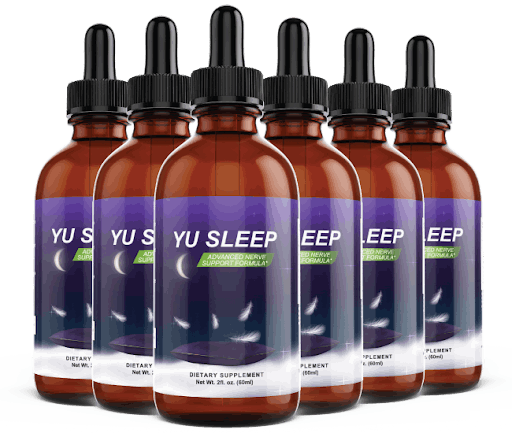
Comprehensive overview of evidence-based sleep supplements: valerian (research shows 400-900mg may improve sleep quality), passionflower (traditional use supported by some modern studies), chamomile tea (gentle, studied for relaxation), magnesium (supports nervous system calm, deficiency common), and the ingredients discussed earlier (L-theanine, GABA, 5-HTP, melatonin). Explain how Yu Sleep combines several of these ingredients to provide multi-pathway support. Discuss quality and purity concerns with supplements, the importance of third-party testing, and how to evaluate products. Address supplement interactions and when to consult healthcare providers. Include research citations for each ingredient. Explain the difference between foundational support (like magnesium) and targeted support (like valerian).
Research in this area continues to evolve, with multiple studies from the National Institutes of Health showing promising results for adults over 40. Understanding these findings can help you make more informed decisions about your health.
Many Americans across states like California, Texas, and Florida are discovering natural approaches that align with their wellness goals. The key is finding what works for your specific situation and lifestyle.
Building a Consistent Sleep Routine
Detail how to create a sustainable sleep routine that becomes automatic. Cover the 'sleep starter pack': consistent bedtime, wind-down ritual (30-60 minutes before bed), temperature control, darkness, and white noise if helpful. Discuss habit stacking—attaching new sleep habits to existing routines. Explain why consistency matters more than perfection: the brain learns patterns and anticipates sleep with regular routines. Include a sample evening routine and how to customize it. Address common obstacles (kids, partner schedules, work stress) and practical solutions. Mention that it typically takes 2-3 weeks for new routines to feel natural. Provide a simple implementation guide for 'this week' actions. Discuss tracking sleep to identify patterns and what's working.
Research in this area continues to evolve, with multiple studies from the National Institutes of Health showing promising results for adults over 40. Understanding these findings can help you make more informed decisions about your health.
Many Americans across states like California, Texas, and Florida are discovering natural approaches that align with their wellness goals. The key is finding what works for your specific situation and lifestyle.
Explore Related Articles
Dive deeper into specific topics covered in this guide:
Final Thoughts
Better sleep isn't about adding more stuff to your life—it's about understanding how your body works and removing obstacles to natural rest. Whether you're dealing with occasional poor sleep or a longer pattern, the strategies in this guide work because they're grounded in how human sleep actually functions. You're not trying to force yourself asleep; you're creating conditions where sleep happens naturally. Start with one or two changes—maybe a consistent bedtime and a wind-down routine, or addressing caffeine timing and screen use. Give those two weeks to show results. Then add another layer. This isn't a sprint. The people who see lasting improvement are those who build sustainable habits, not those chasing quick fixes. Your body's been sleeping your whole life; you're just helping it do what it does best. Remember that sleep is as essential to health as diet and exercise. You wouldn't skip those—don't skip sleep either. If you've tried these strategies and still struggle significantly, it's worth talking to a healthcare provider. Some sleep issues benefit from professional guidance. But for most adults dealing with typical sleep challenges, consistency with natural approaches, attention to sleep hygiene, and understanding your body's needs create real change.Frequently Asked Questions
Is it normal to need less sleep as you get older?
Not really. Adults still need 7-9 hours regardless of age. What changes is sleep architecture—you spend less time in deep sleep and wake more often. This doesn't mean you need fewer hours; it means you might need to be more intentional about protecting sleep quality and duration. If you're sleeping less and feeling fine, you're likely in the minority. Most people over 40 benefit from prioritizing the full sleep window.
How long does it take for natural sleep supplements to work?
Some ingredients like L-theanine work within 30-60 minutes on the first dose. Others like valerian or magnesium may take 1-2 weeks of consistent use to show their best effect as they build in your system. Lifestyle changes (consistent bedtimes, sleep hygiene) often take 2-3 weeks for your brain to establish the pattern. Be consistent for at least two weeks before deciding if something's working.
Can I take melatonin every night long-term?
Research suggests melatonin is safe for regular use, but some people find their bodies adapt and it becomes less effective over time. Starting with lower doses (0.5-3mg) and using it consistently rather than sporadically works better for many people. If you're using melatonin nightly for several months without improvement, it's worth discussing with a healthcare provider to explore other approaches or underlying issues.
Why do I wake up at 3 a.m. every night?
This is often a cortisol pattern—your body's stress hormone naturally rises in the early morning hours. It can also indicate blood sugar fluctuation (eating too close to bed, or not eating enough before bed), sleep apnea, or simply light sleep in the second half of your sleep cycle. Consistent sleep timing, avoiding large meals 3 hours before bed, and stress management often help. If it persists, mention it to your doctor.
Is green tea before bed okay even though it has caffeine?
Green tea has much less caffeine than coffee (25-50mg vs 95-200mg), and it contains L-theanine which creates a calm, focused feeling. If you're caffeine-sensitive, avoid it after 2-3 p.m. If you tolerate caffeine reasonably well, green tea in the afternoon is usually fine. Some people even find a small cup of green tea part of their wind-down routine works well. Pay attention to how your body responds.
Can exercise too close to bedtime keep me awake?
Vigorous exercise within 2-3 hours of bedtime can be stimulating for some people because it raises body temperature and adrenaline. However, gentle exercise like stretching or yoga can be helpful in a wind-down routine. If you exercise late, make it lower intensity. Morning or afternoon exercise is ideal for sleep optimization, but some sleep is better than no exercise at all.
What's the difference between needing more sleep and having poor sleep quality?
Needing more sleep means you sleep 9+ hours and still feel tired—often indicates you're not getting deep, restorative sleep. Poor quality sleep means you wake frequently, don't feel rested after 7-9 hours, or take forever to fall asleep. The fix might be different: one might need sleep hygiene improvements, the other might need health evaluation for sleep apnea or other issues. Track how you feel rested versus just how many hours you sleep.
Should I use my phone as an alarm clock if it means checking email in bed?
It's better to use a separate alarm clock. Your bed should be for sleep and intimacy only. Keeping a phone on your nightstand invites checking it, which exposes you to blue light and engages your brain right when you're trying to sleep. A simple alarm clock costs $15-30 and protects your sleep environment. It's one of the highest-value changes you can make.
Can valerian root or other supplements interact with medications?
Some supplements can interact with medications, especially blood thinners, sedatives, or psychiatric medications. Valerian, 5-HTP, and magnesium are generally well-tolerated, but it's worth mentioning any supplements you're considering to your healthcare provider, especially if you're on regular medications. They can tell you if there are any concerns specific to your situation and help you time things appropriately.
Is it better to have a completely dark room or use a sleep mask?
A completely dark room is ideal because your body's circadian rhythm responds to light levels in your environment. A sleep mask works fine as a backup (travel, a partner with different sleep schedule, street lights), but blocking light at the source is better long-term. Blackout curtains are inexpensive and very effective. If you use a mask, make sure it's comfortable enough that it doesn't become another sleep disruptor.
References & Sources
- Sleep Architecture and Age-Related Changes in Sleep Quality — National Institute on Aging, NIH
- Melatonin: Mechanisms of Action and Efficacy in Sleep Disorders — Sleep Medicine Reviews, PubMed Central
- Valerian for Sleep: A Systematic Review and Meta-Analysis — American Journal of Medicine, PubMed
- L-Theanine and Its Role in Relaxation Response — Nutritional Neuroscience, Journal Database
- Exercise and Sleep Quality in Middle-Aged Adults: A Randomized Controlled Trial — Journal of Clinical Sleep Medicine, PubMed
- Sleep Hygiene and Behavioral Interventions for Insomnia in Adults — American Academy of Sleep Medicine Clinical Guidelines
- Magnesium and Sleep Architecture: Role in REM and NREM Cycles — Journal of Sleep Research, PubMed Central
- Prevalence and Characteristics of Sleep Problems in US Adults Aged 35-64 — CDC National Health Statistics Reports, 2025